Mindfulness: The New MVP in Sports
In 2026, mindfulness has emerged as a critical tool in an athlete’s arsenal, arguably as important as physical training. Athletes from diverse sports have discovered that a sharp mind can be the difference between victory and defeat. While physical prowess can take you far, it’s the mental game that often seals the deal.
There’s a growing trend of professional teams integrating mindfulness coaches into their staff. Take the Chicago Bulls, for instance, who credit their recent NBA success to their in-house mindfulness expert, Dr. Lisa Kim. Her sessions focus on visualization techniques, breathing exercises, and cognitive restructuring to enhance mental resilience.
Why Mindfulness Matters: The Science Behind It
The science supporting mindfulness is robust and continually evolving. A recent study by Stanford University’s Center for Sports Neuroscience revealed that athletes who practiced mindfulness for at least 15 minutes a day showed a 30% improvement in focus and a 20% decrease in anxiety levels. The study examined a cross-section of sports, from baseball to swimming, underscoring mindfulness as a universal asset.
Mindfulness works by increasing one’s awareness of the present moment, reducing stress, and improving emotional regulation. This mental clarity allows athletes to maintain composure under pressure, make better split-second decisions, and recover from setbacks more effectively.
How Athletes Are Embracing Mindfulness
From the football field to the tennis court, athletes are incorporating mindfulness into their routines. Serena Williams, a long-time advocate, attributes her sustained performance on the tennis circuit to daily meditation and mindfulness practices. Her routines include morning meditation sessions and pre-match visualization rituals.
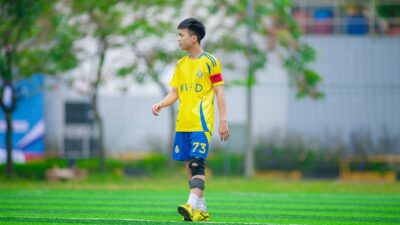
Meanwhile, in the world of soccer, Manchester City’s star player, Raheem Sterling, has shared how mindfulness helped him achieve a career-high performance last season. Sterling’s guided meditation, focusing on game scenarios, helped him refine his reflexes and decision-making on the pitch.
Practical Mindfulness Techniques for Athletes
If you’re an athlete looking to get started with mindfulness, several practical techniques can seamlessly fit into your training regimen.
- Body Scan Meditation: This involves mentally scanning your body from head to toe, noting areas of tension and consciously relaxing them. It’s a great way to unwind post-training.
- Breathing Exercises: Simple yet effective. Controlled breathing can reduce stress and increase oxygen flow to the brain, enhancing focus.
- Visualization: Picture yourself succeeding in your sport, focusing on the emotions and sensations of the moment. It primes the mind for real-life scenarios.
- Mindful Reflection: After a game or practice, reflect mindfully on your performance, noting areas of strength and opportunities for improvement without judgment.
Potential Challenges and Overcoming Them
Despite its benefits, embracing mindfulness isn’t without challenges. Athletes often struggle with finding time or staying committed to the practice. The key? Start small and keep it consistent. Even five minutes a day can make a significant difference. Moreover, integrating these practices into team routines can foster collective mental strength, creating a supportive culture.
Another challenge is skepticism. Some athletes doubt mindfulness’s impact, viewing it as a fad. However, the rising number of success stories and scientific endorsements are gradually shifting attitudes.
The Takeaway: Cultivating a Balanced Athlete
As we propel deeper into 2026, the integration of mindfulness in sports is not just a passing trend but a transformative movement. Athletes achieving the mental edge are those who view mindfulness as a pathway to balance, not just a competitive advantage. By fostering a mindful approach, athletes can enhance not just their performance but also their overall well-being, paving the way for a healthier, more sustainable career.